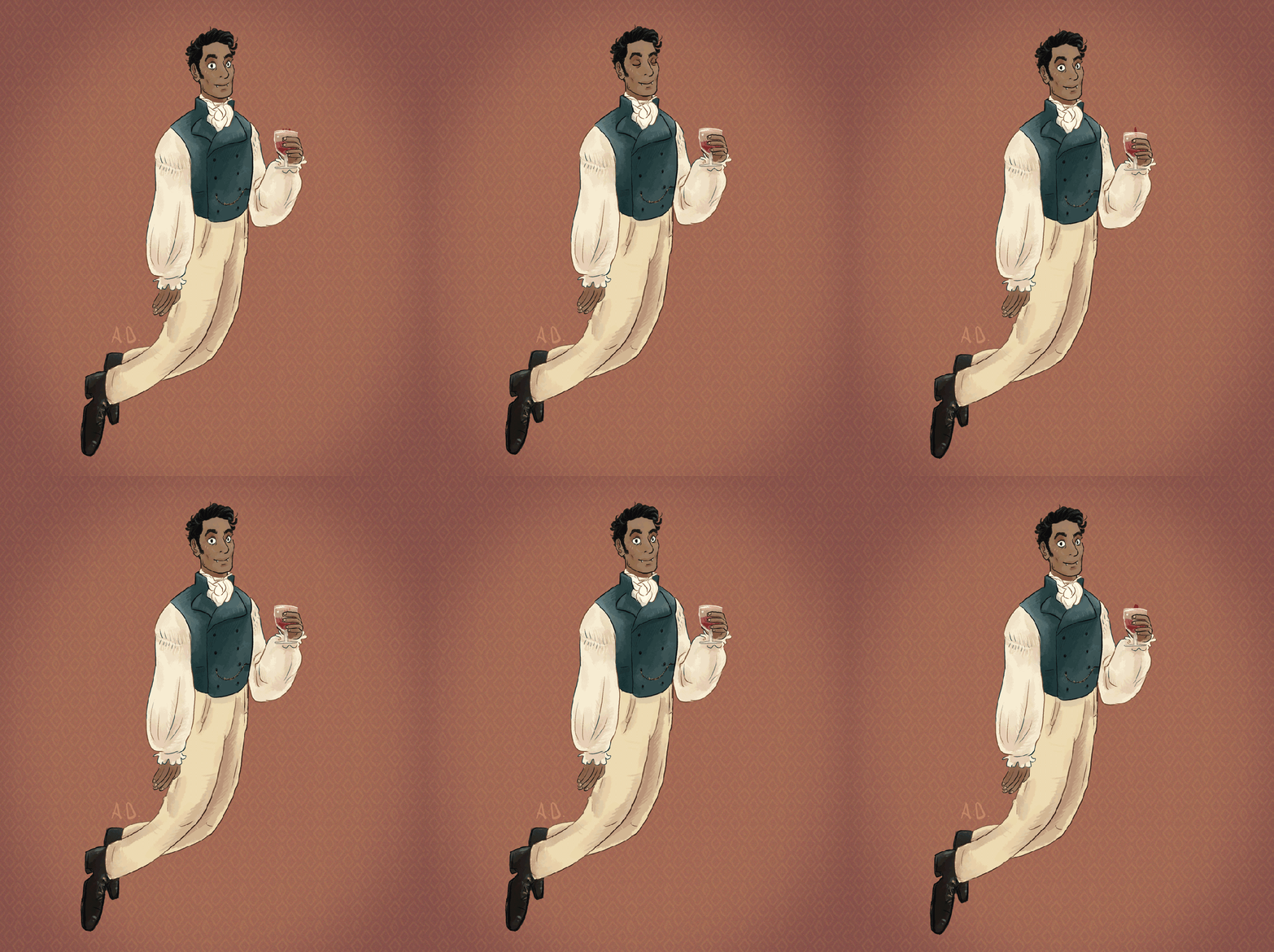
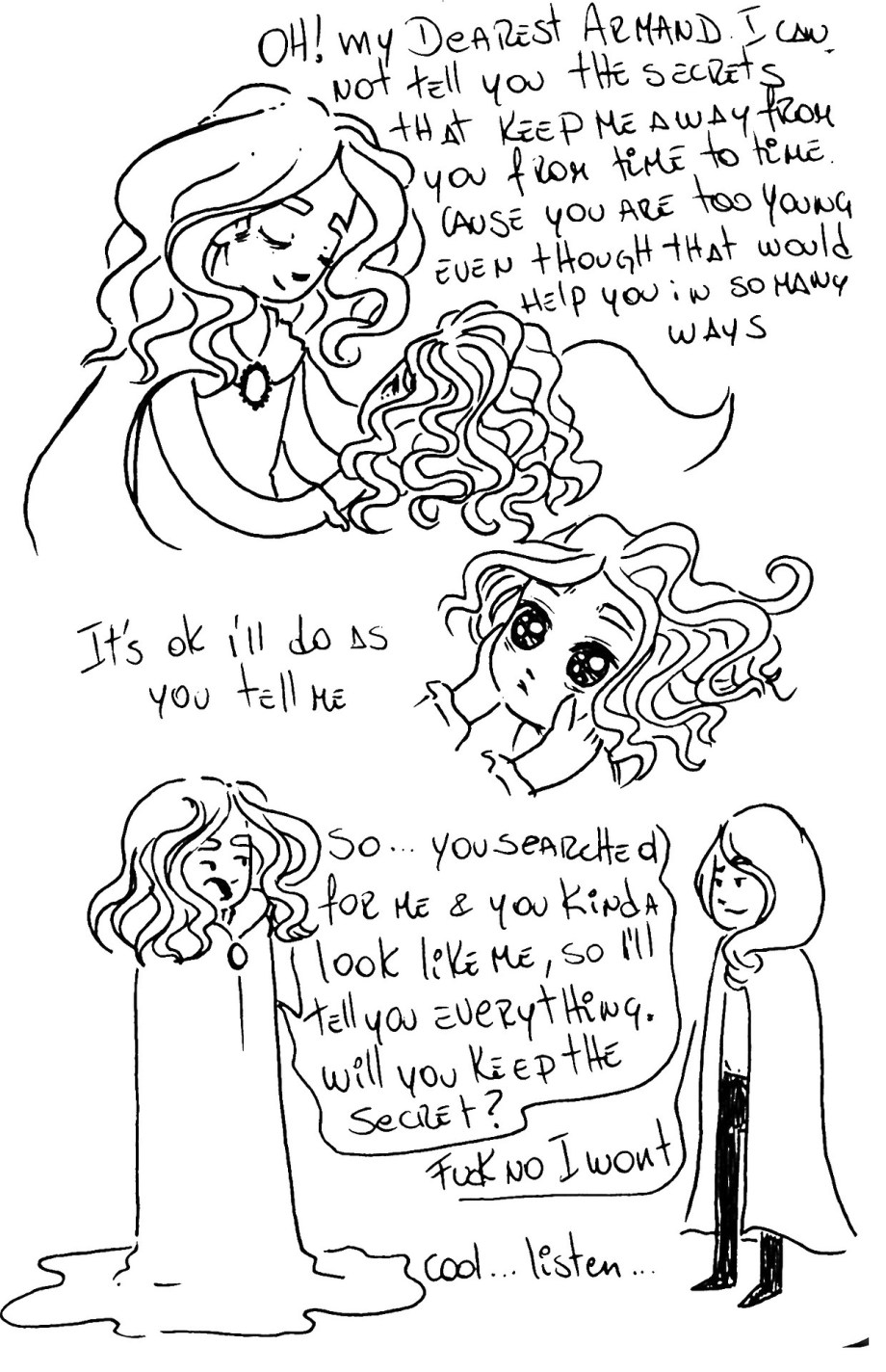
I’m done with the Vampire Lestat and all I can say is: I love Armand and Louis, Lestat is and idiot and like that 3 years old that can’t admit that he just lost in a game… And Marius is just… Aghj!
(If there is any misspelled word or mistake let me know) I am always a little unsure when I write thinks in my drawings… D:
Neighbor’s Cat Comes to See His Dream Girl Almost Every Day For Two Years
A fluffy cat has found herself a feline admirer. Ever since her neighbor’s cat saw her one day, he has been her biggest fan, following her everywhere she goes and even comes over to see her.
Delayed but still finished, this is the third take on Carmilla I have… For some reason I find her sooooo inspiring…
I was sharing her on Instagram and played with 2 filters that I thought are very successful. To be honest maybe even better than this grey version, so I am sharing them as well 🙂 In case you are curious!
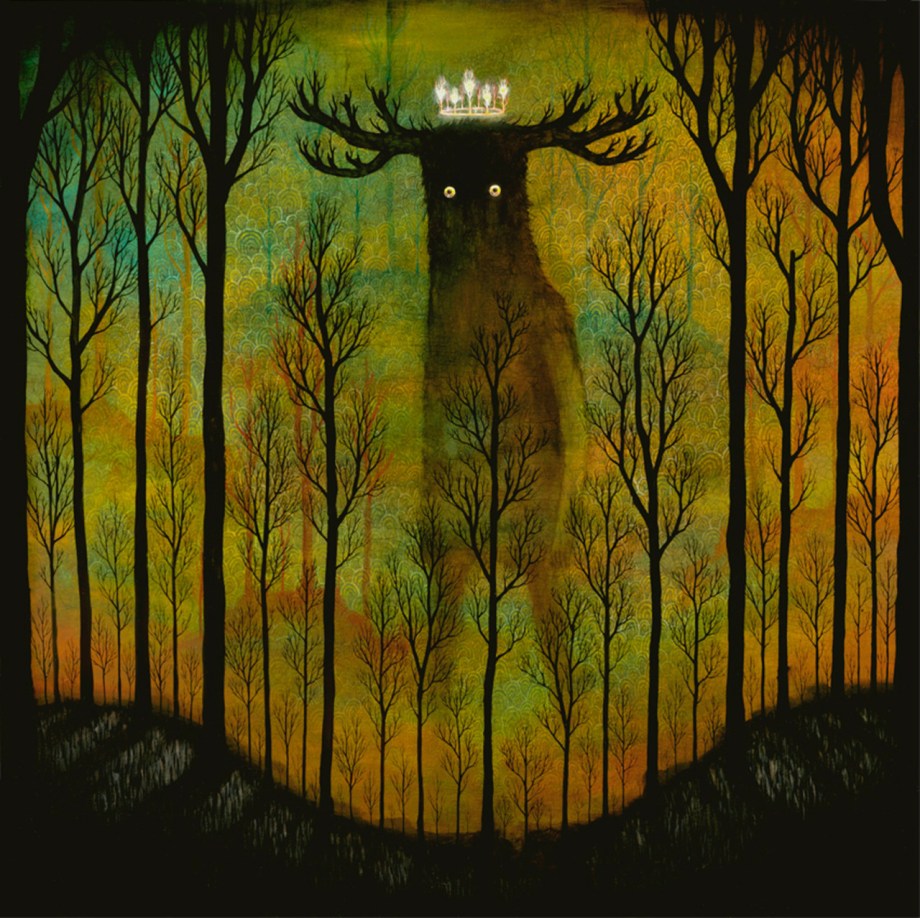
The “Folkloric Devil” is a term applied to the figure who appears in folk-tales and legends and who is often called “the devil”, but it’s obvious that he emerges from a different source than the theological background of Christianity.
Old divinities or diminished Gods that maintained a presence in the minds or cultures of European peoples are suggested (often enough, and for good reasons) as a source of this figure; but beyond that, the pre-Christian societies had spiritual forces and persons that they related to in the sense of “outsider” powers that could be shady or tricky or dangerous at times, but who often had kinds of relationships nonetheless with human beings. These are the main source of the “folkloric” Devil/Devils.
The Folkloric devil isn’t concerned with damning souls, primarily, but he always wants to make deals or pacts to help humans who need things, but so that he can gain, too- a sign of his origin in the older world of spirit-relationship and spiritual ecology. In Christian gloss, he begins more and more to want “souls” for his help, but he is always able to be tricked, himself- and this is very important. Human heroes or protagonists can outwit him. This is something that would be impossible to do to the Theological Devil, who is far beyond humans in power, and second only to God himself in power.
Modern Pop Culture produces surprising emergences of the old Folkloric Devil- Charlie Daniel’s song “The Devil Went Down to Georgia” is an appearance of a Folkloric Devil, who can be out-played by the intrepid and arrogant local boy, on the fiddle. There is the Christian conceit of the Devil seeking souls in that song, but that’s just a minor detail, more suited to a Christian audience and born from the imagination of a low Protestant folk singer.
The Folkloric Devil is a being- and a representative of a whole class of beings- who can be engaged with by humans, for gains. They can be harmful, they can be helpful, and they can be outwitted or outdone at times. Sometimes, they become protagonists themselves.
Theological Elites in the Pre-Modern period of Europe saw no distinction between their Theological Devil and the various emergences of the Folkloric Devil. The “Devil” of witch cults and covenants and of individual sorcerers or witches was of the Folkloric variety, though in their own personal understandings, even they may have believed that he was the same as the theological devil, such was the nature of their times. It’s not like there was a neat chart that spelled all this stuff out to earlier people, and folk in Pre-Modern times heard Christian ministers ranting alongside fire-side bards telling folktales, and so the Folkloric Devil/Devils could take on Christian gloss and attributes at times, and the Theological devil could appear in decidedly “folkish” ways.
What’s important to remember is that the Theological Devil doesn’t exist except as the shadow of Christian psychology. He is born from the idealistic Christian imagination, as the necessary counter-ideal or counter-force to their idealistic notion of good, the warped good, the fallen good, born in their continuation of earlier dualistic religious tropes that posited a cosmic war between good and evil cosmological forces.
The Folkloric Devil, on the other hand, very much exists, both in the form of a powerful former divinity worshiped by practically every human culture known previous to Christianity, and as a folk-memory of certain spirit-entities (very much tied to this world) that people have always engaged in relationships with, though they are a group of entities who are, in ways, challenging, dangerous at points, and ambiguous.
The Theological Devil is a remnant of idealism and the diseased imagination of absolutists and idealists. The Folkloric Devil is a remnant of ancient spiritual ecology and human relationships to the wilder, stranger Otherworld.
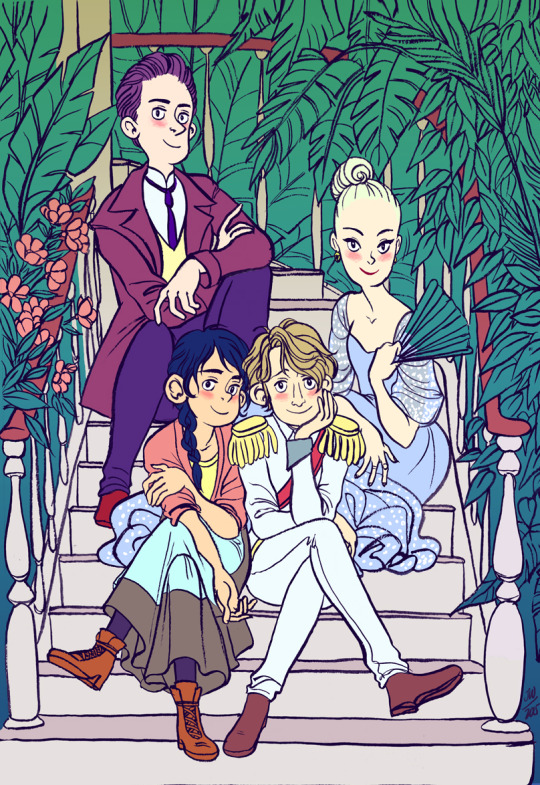
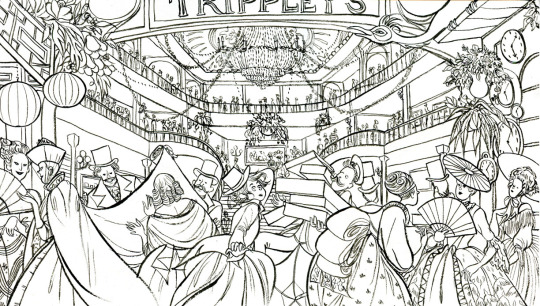
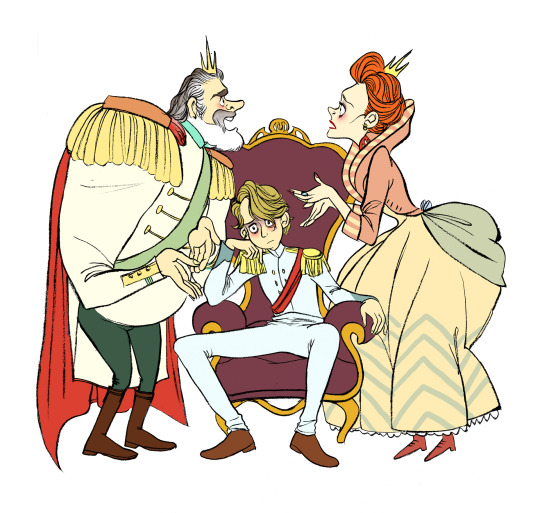
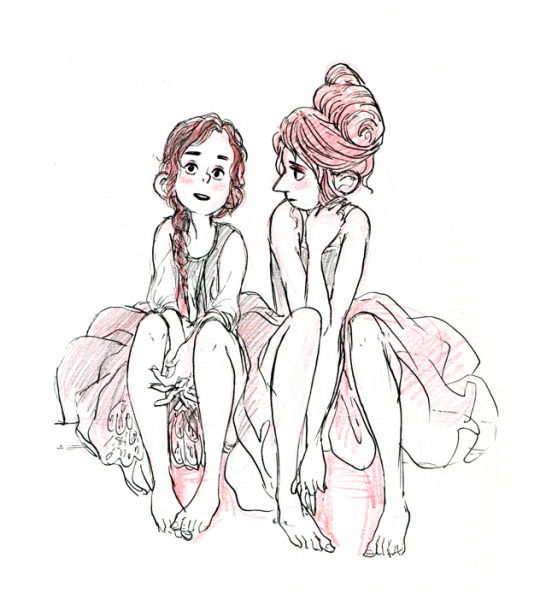
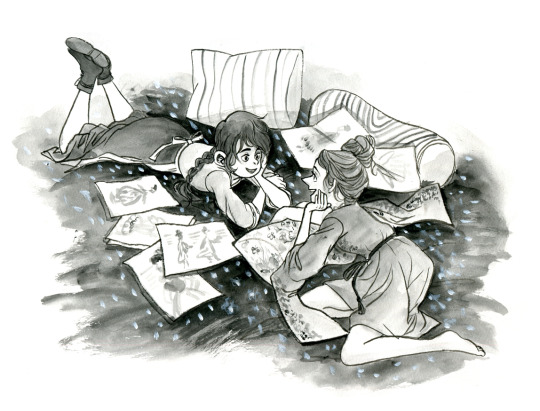
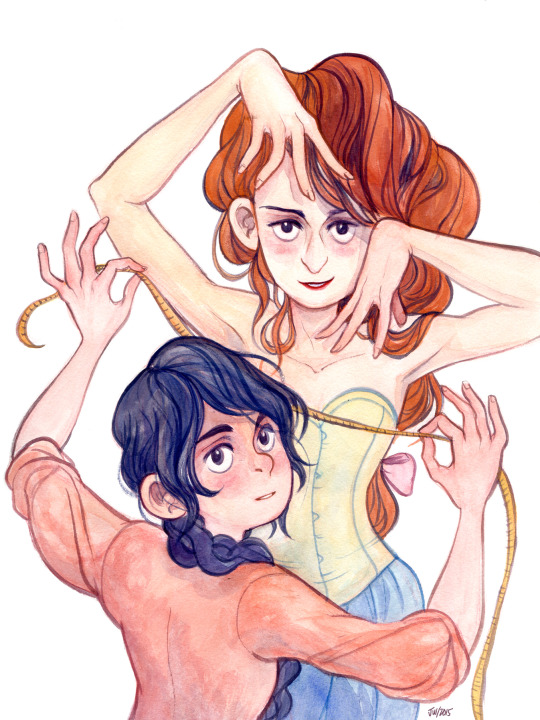
We’re very excited to share with you some sneak peek art from Jen Wang’s new graphic novel, The Prince and the Dressmaker, out with First Second Books in 2016!
The Prince and the Dressmaker is about a young 19th Century prince named Sebastian who secretly loves to wear dresses. He hires an ambitious young seamstress named Frances to make dresses for him and as their collaboration grows, so do their feelings for one another. Sebastian and Frances must find a way to balance their inner desires with the strict expectations of the royal family – or risk exposing Sebastian’s secret to the world.
“This book is really special to me because I basically wrote it for my teenage self, which is something I haven’t done before. I wanted a story that explored questions about gender and self-identity in a way that was also really colorful and fun and positive. The personal themes are there, but also lots of dresses and princesses. The idea was to create my ideal Disney movie, and writing this has genuinely been one of the most fun, liberating, experiences I’ve had making comics. My awkward confused fourteen year-old self would’ve really connected with this book and I hope it does the same for other young readers,” says Jen Wang.
Jen Wang is a cartoonist, writer and illustrator living in Los Angeles. Her young adult graphic novels Koko Be Good and In Real Life (co-written by Cory Doctorow) are published by First Second Books. She recently wrote the mini-series Adventure Time: Fionna and Cake Card Wars for BOOM Comics, illustrated by Britt Wilson. Her upcoming graphic novel The Prince and the Dressmaker will be published by First Second Books in 2016.