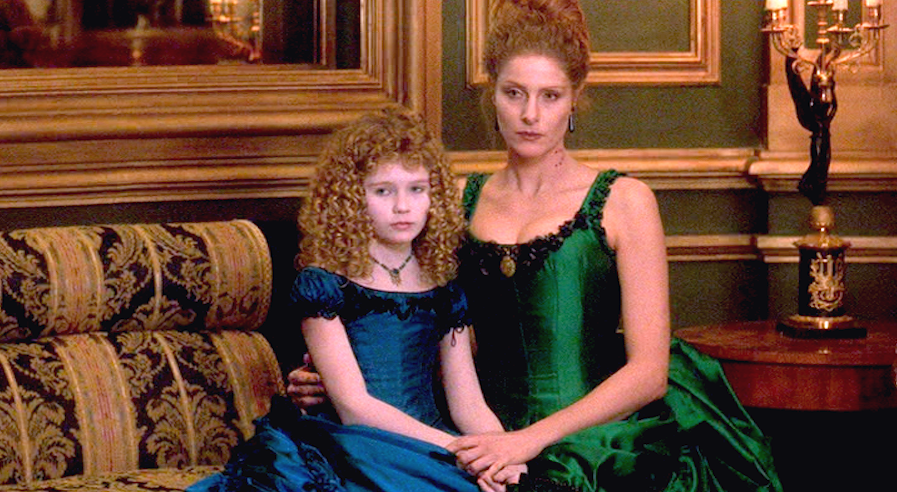
my mom asked why i don’t read as many books as i used to and i just said it was because i read a lot of unpublished stories from independent writers online and she thinks that’s very good of me to give undiscovered authors a chance
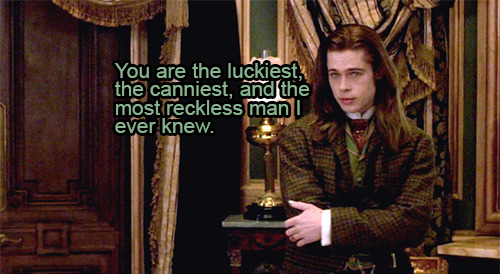
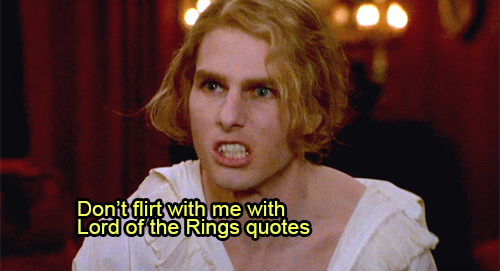
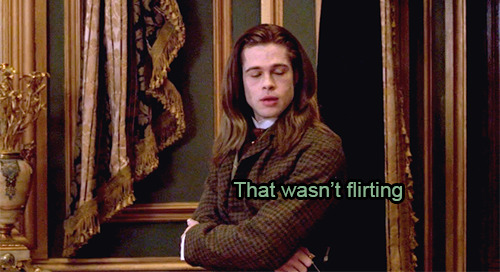
Louis knows the LOTR trilogy by heart and he’s read all the books. He likes to try to sneak quotes in when possible:
The whole coven agrees that they’re all beautiful films, they’re modern classics in a way. The LOTR movies are watched more often at coven gatherings than the Hobbit movies, but more because of the story and characters than the cinematography Louis has a not-so-secret crush on Aragorn that everyone likes to tease him about!
Louis knows all kinds of obscure trivia, and has debates about them with Armand, who has also read them all. Lestat, feeling left out of these discussions, tried to read the books and fell asleep repeatedly. He mispronounced the names of characters and places a few times and refuses to try to read them again for fear of further ridicule.
Armand is very into the hobbits themselves as creatures and has gone to New Zealand with Daniel more than once to check out Hobbiton.
Glad that response clarified things and that you’re sticking with it. I really appreciate your followup message!
Just because you read something doesn’t mean you endorse it. When things get too squicky for me, I “eat around” them, like you’d eat around the bruised areas of a banana. A whole banana is not ruined by a few bruises for me, but I can understand and I don’t judge if it ruins it for others.
I’m sorry that you may have to stop reading the series.
Whether there is pedophilia/incest in the novels depends on your definition of those things, and also your headcanons about the characters.
Low-level spoiling here as a kind of trigger warning:
Incest: Technically, almost every vampire is made by a vampire to be their companion. Makers and fledglings have a parent-child relationship because of the nature of the Dark Gift. So every relationship that continues from that point is technically incestuous. Louis is Lestat’s child in this way.
The person who commented in that thread was probably referring more specifically to Lestat’s relationship with his mother, Gabrielle. While they do not have penetrative sex, they are far more intimate than a mother and son should be. I won’t spoil it further for you. You have to read TVL.
Pedophilia: There are several underage fictional characters throughout the series and they are sometimes spoken of in a sexualized manner (Claudia, for example), and/or have non-consensual, dubiously consensual, and consensual sex (well, a child cannot truly give consent, you would have to read The Vampire Armand to better understand the consent from the underage characters) with adult fictional characters.
If those topics make it difficult for you to enjoy the books, then I think you might consider not reading them further.
“… Fiction is how we both study and de-fang our monsters. To lock violent fiction away, or to close our eyes to it, is to give our monsters and our fears undeserved power and richer hunting grounds.“
“I don’t understand.” How many times have you read that in conjunction with a violent act?
“I don’tunderstand why he did it.” Or “I don’t understand why this happened.” Sammy Yatim, shot dead and then tasered by police on a Toronto streetcar, and even the chair of the Police Services Board asks, “How could this happen?”
….Here in Britain, our weakling government is attempting to launch a web filter that would somehow erase “violent material” from Internet provision — placing it, by association, in the same category as child pornography. Every week seems to bring a new attempt to ban something or other because it’s uncomfortably or scary or perhaps even indefensibly disgusting.
….we generally demonize violent acts and violent work. We make them Other, and we just distance ourselves. They are Other, and they didn’t come from us, and we’re just going to stand over there and shake our heads sadly. And, moreover, anyone who gets closer to it in order to experience or understand it must be a freak.
…The function of fiction is being lost in the conversation on violence. My book editor, Sean McDonald, thinks of it as “radical empathy.” Fiction, like any other form of art, is there to consider aspects of the real world in the ways that simple objective views can’t — from the inside. We cannot Other characters when we are seeing the world from the inside of their skulls. This is the great success of Thomas Harris’s Hannibal Lecter, both in print and as so richly embodied by Mads Mikkelsen in the Hannibal television series: For every three scary, strange things we discover about him, there is one thing that we can relate to. The Other is revealed as a damaged or alienated human, and we learn something about the roots of violence and the traps of horror.
… Fiction is how we both study and de-fang our monsters. To lock violent fiction away, or to close our eyes to it, is to give our monsters and our fears undeserved power and richer hunting grounds.”