“This is my birthday present from Louis. Use as I like, he tells me…
I do not understand entirely what is meant by birthday. Was I born into this world on the 21st of September or was it on that day that I departed all things human to become this?
My gentlemen parents are forever reluctant to illuminate such simple matters. One would think it bad taste to dwell on such subjects. Louis looks puzzled, then miserable, before he returns to the evening paper. And Lestat, he smiles and plays a little Mozart for me, then answers with a shrug: ‘It was the day you were born to us.’ ”
– Claudia de Lioncourt, Queen of the Damned
Is this her birthday? Or the night she was turned? They don’t answer her. I think it was the night she was turned, “you were born to US”
According to this, September 21 is Michele Rice’s birthday, 1966. Michele died of
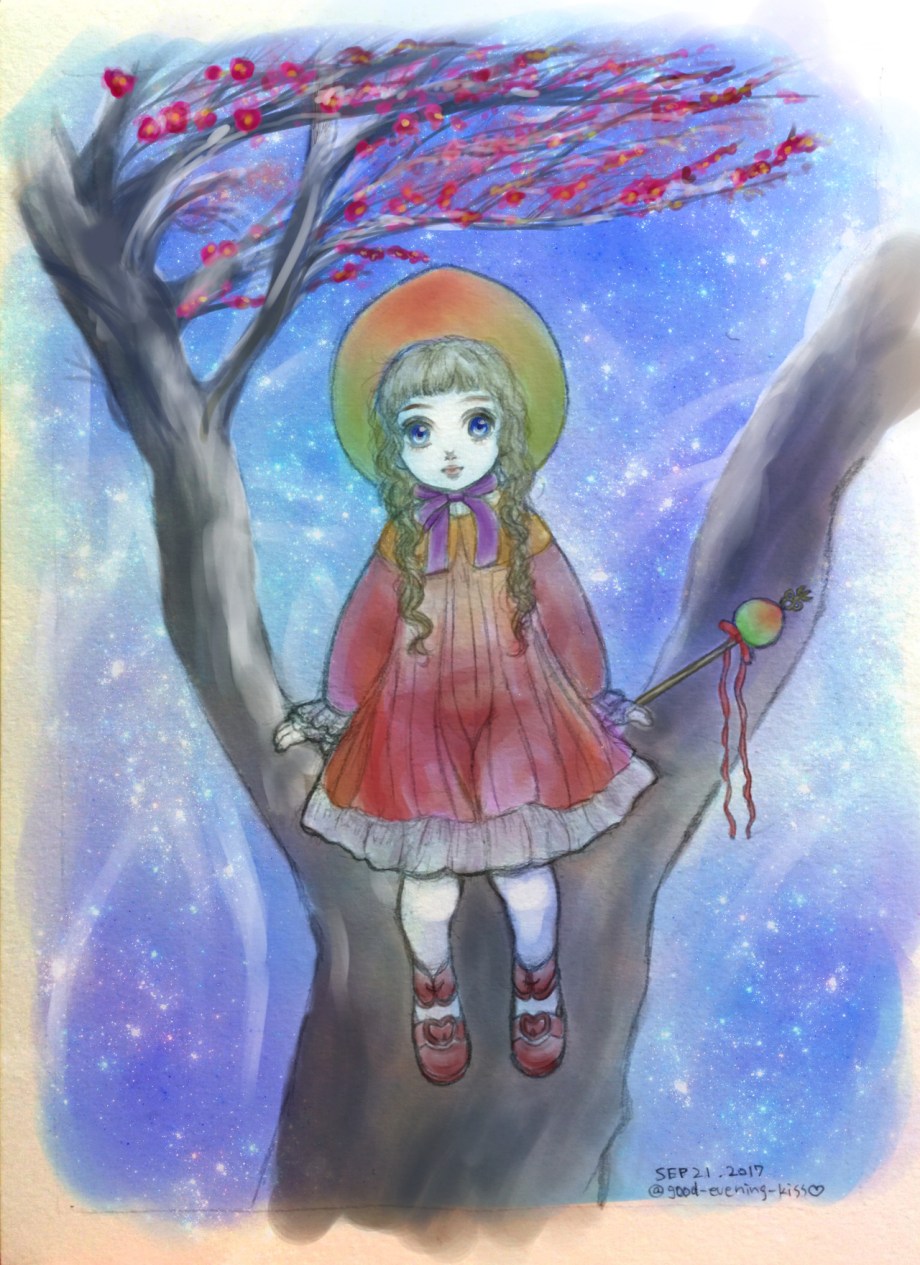
“I bent and kissed her soft neck and cheeks. Winter plums. Plums from an enchanted wood where the fruit never falls from the boughs. Where the flowers never wither and die.”
Louis de Pointe du Lac – Interview With The Vampire
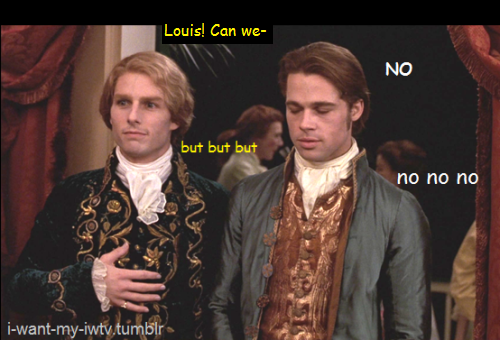
Lestat can be like a big dumb puppy sometimes, and he also has selective hearing loss. OF COURSE SHE WANTED ANOTHER DOLL like of course she did. Did he consult w/ Louis first? No. No, he did not.
“This is my birthday present from Louis. Use as I like, he tells me…
I do not understand entirely what is meant by birthday. Was I born into this world on the 21st of September or was it on that day that I departed all things human to become this?
My gentlemen parents are forever reluctant to illuminate such simple matters. One would think it bad taste to dwell on such subjects. Louis looks puzzled, then miserable, before he returns to the evening paper. And Lestat, he smiles and plays a little Mozart for me, then answers with a shrug: ‘It was the day you were born to us.’ ”
– Claudia de Lioncourt, Queen of the Damned
Is this her birthday? Or the night she was turned? They don’t answer her. I think it was the night she was turned, “you were born to US”
According to this, September 21 is Michele Rice’s birthday, 1966. Michele died of
Yep, she gave us their birthdates (Louis – October 4; Lestat – November 7) outside of canon. Neither date is mentioned explicitly in canon, and so some ppl do not accept that information as canon.
(There is also some fanon that Armand’s bday is November 11, which AR never mentioned at all.)
I don’t recall the vampires ever celebrating their birthdays explicitly in canon, but I headcanon that some of them do. Some of them prefer to celebrate the date they were turned, some celebrate both (exception: I headcanon that Lestat doesn’t celebrate the date he was turned) and some celebrate neither (Khayman, maybe).
EDIT: Claudia mentions in her diary entry in QOTD that Sep. 21 is the night her dads honor every year as her birthday, and she doesn’t know why. It’s probably the night she was turned, bc Lestat tells her “‘It was the day you were born to us.’ ” It’s Michele Rice’s birthday, Anne Rice’s daughter.
[X] BTW, I was looking for a reference as to Lestat and Louis’ birthdays for an Ask and found this. Someone used one of my memeythings for Becket’s birthday in 2015. The POTP are aware of me… *shudders*
And no, AR was not among the 21 who Liked that pic.
What you’re asking is not written explicitly in canon, iirc, but fandom has generally accepted the following info, maybe bc AR told us over the years? I don’t remember when we were told…
Lestat’s birthday is November 7, the birthday of Anne Rice’s late husband Stan (whom she partially modeled Lestat after).
Louis’ birthday is October 4, which is Anne’s birthday.
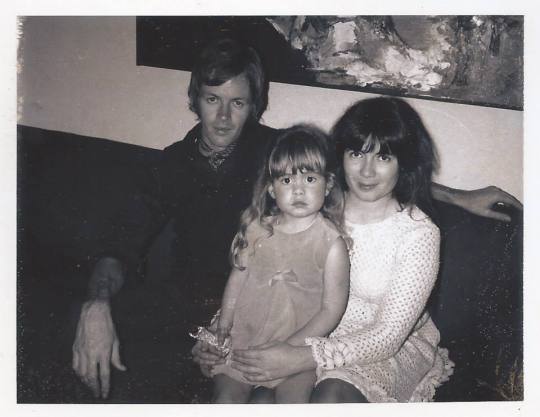
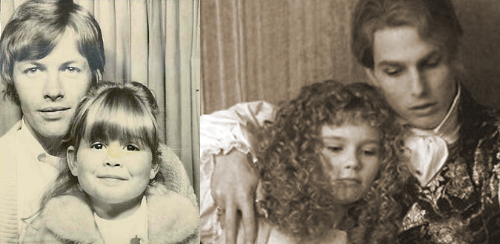
^Stan and Michele Rice on the left, Lestat and Claudia de Lioncourt on the right. As a side note, before this gets into the more serious topic, AR has said she based Lestat on Stan, and there is a story out there that his name was meant to be “Lestan,” but ended up as “Lestat” bc of a typographical error. I don’t have a source on that.
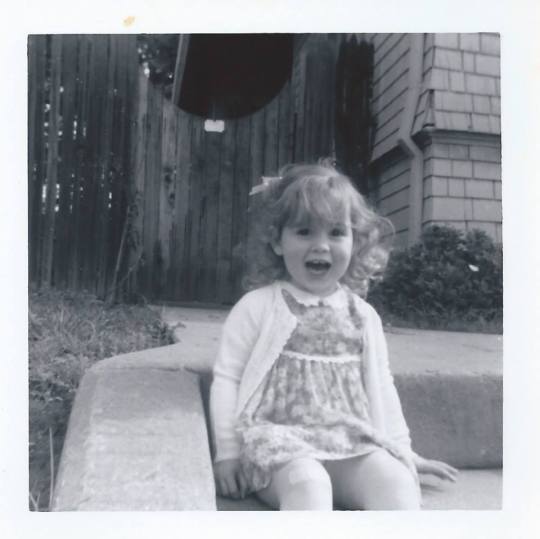
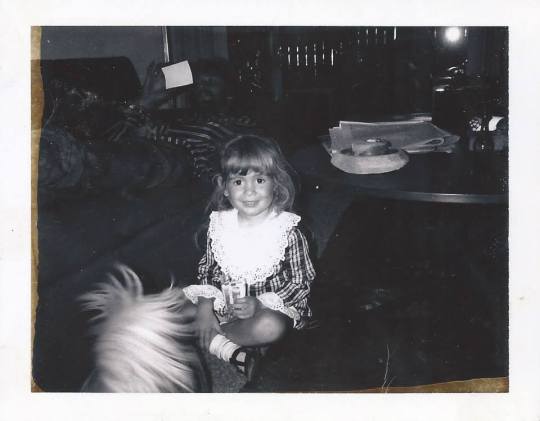
(In the first draft of [IWTV], Rice described Claudia as three or four years old.)… Rice based Claudia’s appearance on her own daughter, Michele, who died at the age of five from leukemia. Claudia even shares Michele’s birthday, September 21.* However, despite the intense tone of suffering and guilt evident in Louis’s telling of the story, Rice insists that she had not been aware that she had included her feelings about Michele’s tragic death. “I never consciously thought about it when I was writing the book,” she says. “I wasn’t conscious of the connection. I knew that I was using the physical beauty of Michele as the model, but Claudia was a fictional character in her own right. The character, the voice, and the things Claudia say have nothing to do with my daughter – but there’s no question that this is the symbolic working out of a terrible grief. What else can it possibly be?”
In the first version of [IWTV], Claudia eventually goes off with three vampire brothers whom she meets in Paris. She does not die. As such, it was as if Rice had attempted to give her daughter a form of immortality. Rice, however, experienced psychological problems that cleared up only after she had rewritten the ending – by killing off Claudia and taking Louis through an experience of intense grieving. This version was much more cathartic for Rice.
Hit the jump for more, cut for length, not content.
From Premiere Magazine, November 1994:
(sorry, I don’t have a link, I transcribed this from the page)
In real life, Claudia was a nickname for Michele Rice, Anne Rice’s vibrant blond daughter, who had once piled her hair on top of her head, and spoken in a smoky voice like Claudia Cardinale. She was three years old when she developed leukemia, and five when she died, in 1972.
At first, Rice soaked her maternal despair in a steady stream of sixpacks. Then she unleashed her rage unto paper, into what eventually became Interview with the Vampire. Michele was reincarnated as Claudia, the raging woman locked in a child’s body. “Louis was me,” says Rice. “That dark, brooding, melancholy person ripped from Catholic faith and tormented with guilt – that was me. I’d love to be Lestat: the wishful me, the active, the dream, the other one. Louis was the more true, autobiographical portrait of the conflicted and lost and orphaned person. That’s what the book is about. It’s about being orphaned.”
“Writers write about what obsesses them,” says Rice. “You draw those cards. I lost my mother when I was 14. My daughter died at the age of 6. I lost my faith as a Catholic. When I’m writing, the darkness is always there. I go where the pain is.“
♫Put that thing back where it came from or so help me… so help me, so help me♫ – and CUT. We’re still working on it… it’s a work in progress but, hey, we need ushers!

 I-want-my-IWTV