Tag Archives: monster
Anthropologist David Gilmore has proposed the idea that, in most cultures, monsters assist people in “awakening…to their own values and moral traditions.” If so, then in a communal society, perhaps the wendigo is the embodiment of hunger’s selfishness. It does not run in packs or pair off to mate and raise offspring; rather, the wendigo stalks the wilderness alone, attuned only to the black hole of its gullet.
But monsters leave the liminal space of one culture’s nightmares and enter the rest of the world where they are appropriated and changed to suit other fears and fancies. For those of us raised on the tender vampires of Anne Rice and Stephenie Meyers, there’s also a strange romance in untrammeled hunger. After all, ravenousness is metaphoric as well as literal. We conflate physical hunger with romantic desire in ten thousand pop songs, and who among us has not looked at a beloved and wanted to consume them?
In a different mirror, the wendigo’s insatiableness might be a manifestation of loneliness, a kind of desire for connection that has metastasized.
Kate Angus, “The Wendigo” (via existingcharactersdiehorribly)
I would describe Guillermo del Toro as compassionate because he sees the good in everyone even his monsters. (x)
Yes, I’m on (another) Crimson Peak posting spree, but I wanted to specifically point out what Tom Hiddleston says: “beauty in places that many of us would fear to look.” That sounds VERY familiar to me, as my definition of goth/gothic is looking for “beauty and wonder in dark or unsettling places”.
I AM THE TARGET MARKET FOR THIS MOVIE, YES I AM.
We will be monsters, alone in the world, but we will have each other.
Mary Shelley, Frankenstein. (via littledemonsinmyhead)
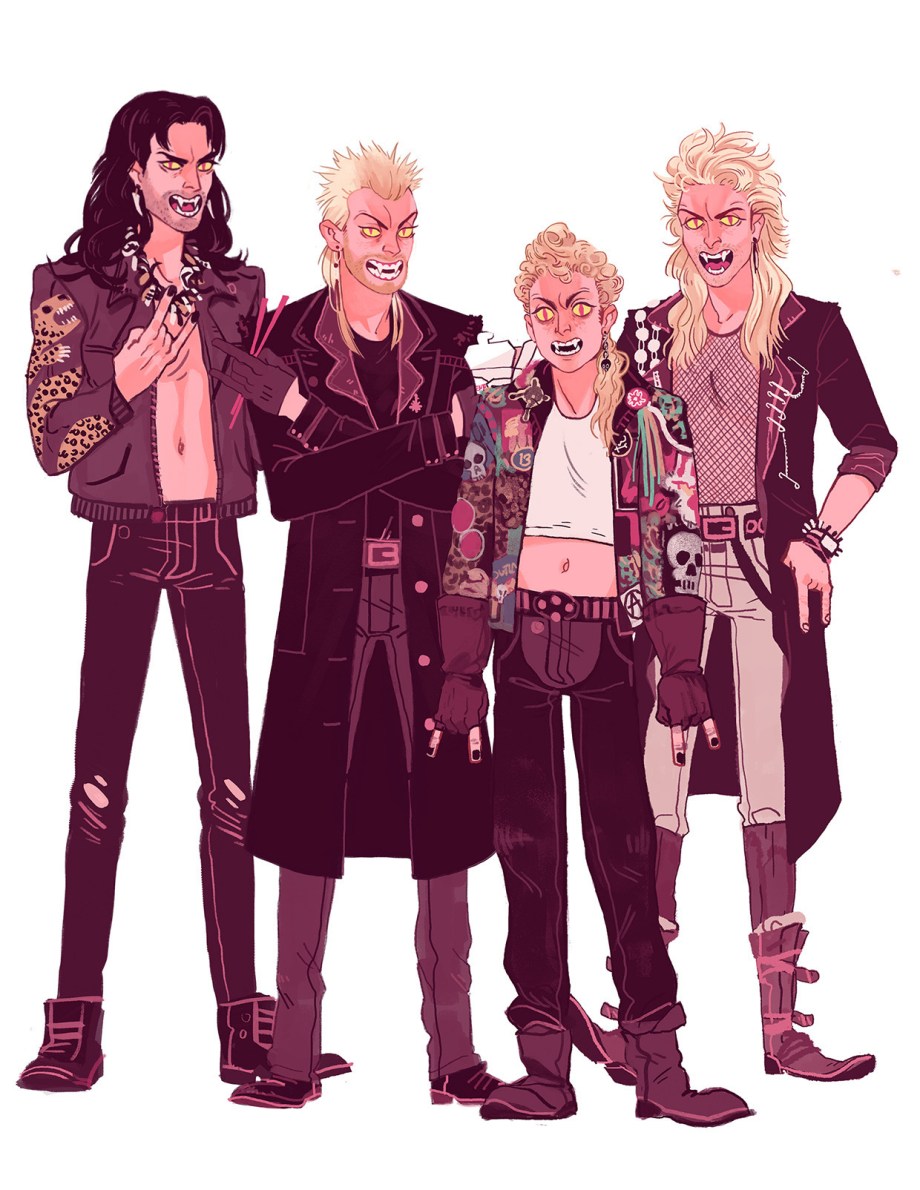
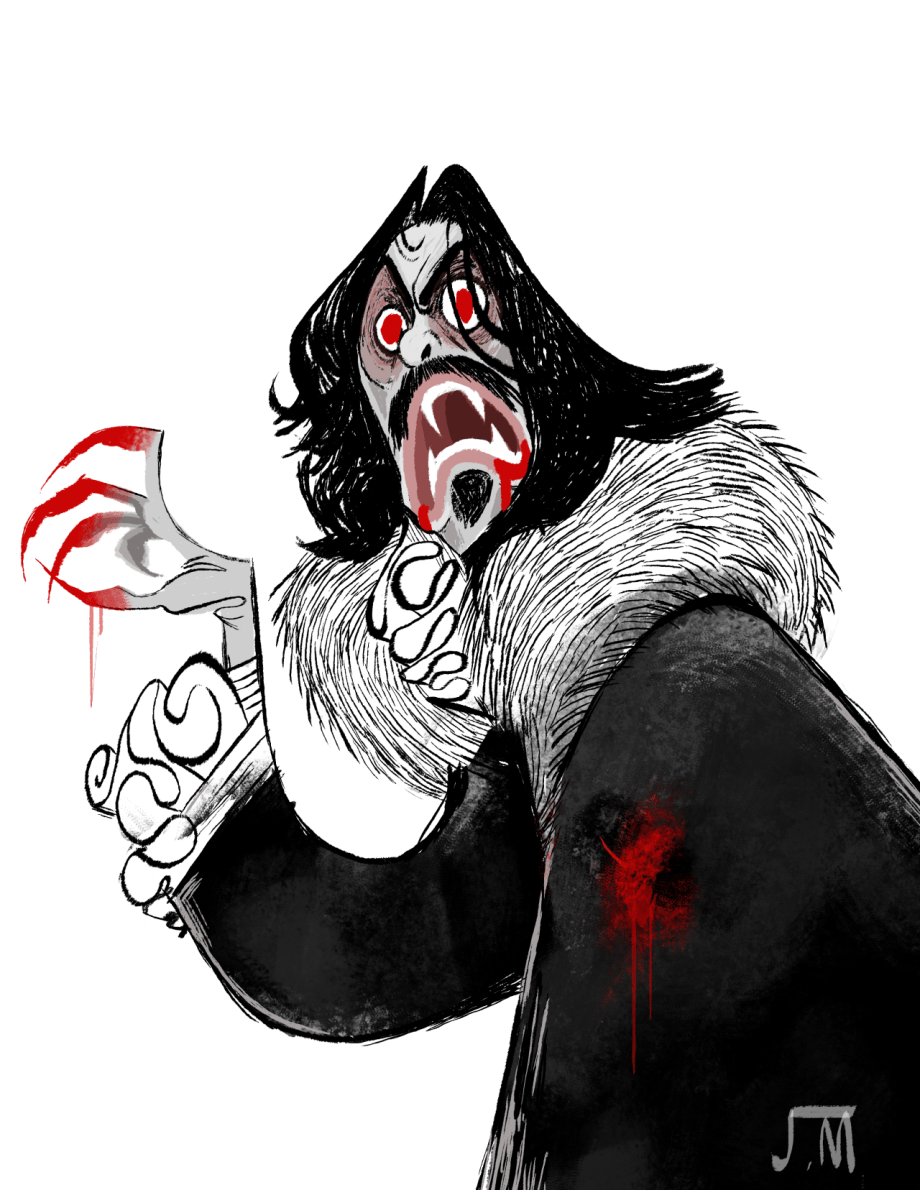
And in the moonlight his gloved hand was elusively normal; it looked warm and strong and quite curiously reassuring, the hand not of a monster and a murderer, but of a gentle, loving man, who waited with infinite patience for one little sign of hope…
Phantom by Susan Kay (via i-remember-there-was-mist)

 I-want-my-IWTV