Oh man, that is a lot to ask, and you’re correct in that I have not consumed a wide range of vampire media, especially in terms of historical/geographical/etc.
“A cliché or cliche is an expression, idea, or element of an artistic work which has become overused to the point of losing its original meaning or effect, even to the point of being trite or irritating, especially when at some earlier time it was considered meaningful or novel.”
Vampire fiction is so varied and has so many different rules compared to its first inception that I think it’s pretty free of ideas/elements that have “become overused to the point of losing their original meaning or effect, even to the point of being trite or irritating.”
One cliché is the “I vaaant to suck your blooood!” line that a vampire might say to a victim, originating in vampire movies from decades ago, but it’s more of a comical thing now. It can also be modified slightly to increase the comedy:
I will say that some of my fave vampire media takes existing clichés and/or rules/conventions about vampires, and interprets it in a different way or ignores it completely.
I think it’s more important to consider existing conventions/rules, and how your vampires will operate within them, if at all. I have some stuff mixed into my #vampire physiology tag, but not a complete list.
A few conventions/rules are already widely varied in different vampire media:
Vampires can’t walk around in sunlight –
In most vampire media, vampires exposing themselves to sunlight will get them severely burned or killed immediately.
In Byzantium, I think they can walk around in sunlight with no problems at all.
In Twilight, the vampires are physically able to do so, but they’re dazzling in the sunlight, so they stand out as non-human when they do (and that’s bad bc revealing themselves as non-human could risk harm from mortals).
Vampires require blood to survive, but they are immortal, so “survive” is more like, “a healthy vampire is one that is feeding on a regular basis, but it’s not a requirement.” – I can’t think of an example of vampires that die from not drinking blood regularly… but I think the What We Do in the Shadows and Only Lovers Left Alive vampires will rapidly weaken if they don’t feed often.
Vampires don’t have reflections in mirrors – the Bram Stoker’s Dracula (1992), What We Do in the Shadows, and
Only Lovers Left Alive
vampires
don’t have reflections, but the Interview with the Vampire ones definitely do.
Vampires have to be invited into their victim’s home – Only seen this being an issue in the two adaptations of Let the Right One In.
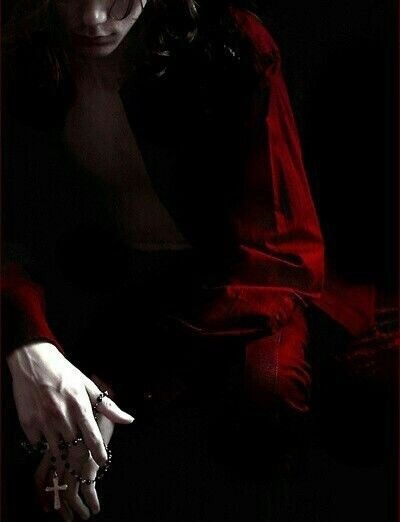
Vampires are harmed by crosses/crucifixes – Saw this as an issue in the What We Do in the Shadows vampires, that it frightens Deacon that he might be in close proximity to a cross, but it’s unclear what would happen if he touched it. In Fright Night, a vampire touching a cross ignites it in flames but it doesn’t seem to stop him from continuing to attack.
So what I’m saying is that you can explore different conventions/rules of vampires and then pick and choose which you’ll incorporate into your vampires, or invent whole new rules!
UPDATE: Got an anon message adding to the this post, here’s their info: (I reformatted their answer into nicer formatting than asks allow)
Regarding sunlight: In the original Dracula novel, sunlight actually didn’t hurt vampires, but it neutralized their powers. Dracula couldn’t transform while the sun was up, except at dawn, exact noon, and sunset, but as I recall, he still had his superhuman strength/speed/etc and was able to flee our team of heroes.
Regarding needing blood but being immortal: In Dracula and some other media, the vampires not only weaken, but age if they don’t feed. In the novel, Dracula looks like an old man when Harker first meets him, but turns young as he feeds regularly.
Regarding crucifixes: I’ve seen a instances with twists on this relating to faith. In one, the crucifix was harmless because the person using it had weak faith in God. In another, crosses and such only hurt the vampire if the vampire feared them, and faith was considered truly frightening. Two of the vampires went to church regularly to keep up their human guise, and one of them holds a cross in his hand with no issue, but a younger vampire is too scared of a cross to pick it up.
Oh man, that is a lot to ask, and you’re correct in that I have not consumed a wide range of vampire media, especially in terms of historical/geographical/etc.
“A cliché or cliche is an expression, idea, or element of an artistic work which has become overused to the point of losing its original meaning or effect, even to the point of being trite or irritating, especially when at some earlier time it was considered meaningful or novel.”
Vampire fiction is so varied and has so many different rules compared to its first inception that I think it’s pretty free of ideas/elements that have “become overused to the point of losing their original meaning or effect, even to the point of being trite or irritating.”
One cliché is the “I vaaant to suck your blooood!” line that a vampire might say to a victim, originating in vampire movies from decades ago, but it’s more of a comical thing now. It can also be modified slightly to increase the comedy:
I will say that some of my fave vampire media takes existing clichés and/or rules/conventions about vampires, and interprets it in a different way or ignores it completely.
I think it’s more important to consider existing conventions/rules, and how your vampires will operate within them, if at all. I have some stuff mixed into my #vampire physiology tag, but not a complete list.
A few conventions/rules are already widely varied in different vampire media:
Vampires can’t walk around in sunlight –
In most vampire media, vampires exposing themselves to sunlight will get them severely burned or killed immediately.
In Byzantium, I think they can walk around in sunlight with no problems at all.
In Twilight, the vampires are physically able to do so, but they’re dazzling in the sunlight, so they stand out as non-human when they do (and that’s bad bc revealing themselves as non-human could risk harm from mortals).
Vampires require blood to survive, but they are immortal, so “survive” is more like, “a healthy vampire is one that is feeding on a regular basis, but it’s not a requirement.” – I can’t think of an example of vampires that die from not drinking blood regularly… but I think the What We Do in the Shadows and Only Lovers Left Alive vampires will rapidly weaken if they don’t feed often.
Vampires don’t have reflections in mirrors – the Bram Stoker’s Dracula (1992), What We Do in the Shadows, and
Only Lovers Left Alive
vampires
don’t have reflections, but the Interview with the Vampire ones definitely do.
Vampires have to be invited into their victim’s home – Only seen this being an issue in the two adaptations of Let the Right One In.
Vampires are harmed by crosses/crucifixes – Saw this as an issue in the What We Do in the Shadows vampires, that it frightens Deacon that he might be in close proximity to a cross, but it’s unclear what would happen if he touched it. In Fright Night, a vampire touching a cross ignites it in flames but it doesn’t seem to stop him from continuing to attack.
So what I’m saying is that you can explore different conventions/rules of vampires and then pick and choose which you’ll incorporate into your vampires, or invent whole new rules!








 I-want-my-IWTV